The traditional role of Enterprise Architecture (EA) is on the brink of a revolution, driven by the rapid evolution of AI and, more specifically, Agentic AI. For years, EA has
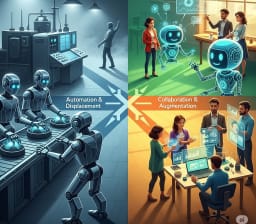
The artificial intelligence revolution is here, but we’re at a critical crossroads. Two fundamentally different philosophies are emerging about how AI should transform our workplaces and lives. On one side,

~ The technological landscape is evolving at a breakneck pace. Artificial intelligence (AI) and Cloud-Native application development are no longer emerging trends; they are foundational pillars of modern digital transformation.
The business landscape has been fundamentally reshaped. For decades, the dominant model was the pipeline: businesses created value by controlling a linear series of activities, from sourcing raw materials to
Capitalism’s Evolution When Algorithms Eclipse People In capitalism’s fundamental equation, companies exist to generate profit by fulfilling market needs. This base function drives every corporate decision, including the adoption of
The pressure to implement configuration-driven business rules at the entry point API stems from several factors: However, giving in to this pressure can quickly erode the benefits of adopting a
The concept of vertical integration has evolved far beyond traditional manufacturing and supply chain control. Today’s most successful companies are leveraging vertical integration as a strategic foundation for innovation platforms—comprehensive
In the dynamic landscape of organizational performance, the tension between prioritizing individual excellence and fostering collective synergy remains a central theme. While team-centric methodologies like Agile underscore the power of
In today’s rapidly evolving business landscape, organizations are constantly seeking more efficient ways to structure themselves. The traditional matrix organization—with its functional silos and project-based overlays—is increasingly showing its limitations
(Spoiler: You Probably Shouldn’t) For decades, the role of the Solution Architect has been revered as the pinnacle of technical achievement, an elite position for those who’ve spent years refining