Explainability as an Architectural First-Class Concern Introduction We stand at a peculiar inflection point in financial history. The algorithms making credit decisions, fraud determinations, and trading executions increasingly operate beyond
For decades, the strategic ideal guiding businesses was the pursuit of a sustainable competitive advantage. Corporate leaders invested heavily in creating unique positions that could be defended for decades. Conceptually
In an era marked by unprecedented volatility and regulatory scrutiny, the banking sector stands at a critical inflection point. The relentless march of digital transformation runs headlong into the immovable
Grid to Git: What F1 Pit Stops Can Teach Us About Software Deployment In the world of Formula One, a race can be won or lost in the pits. A
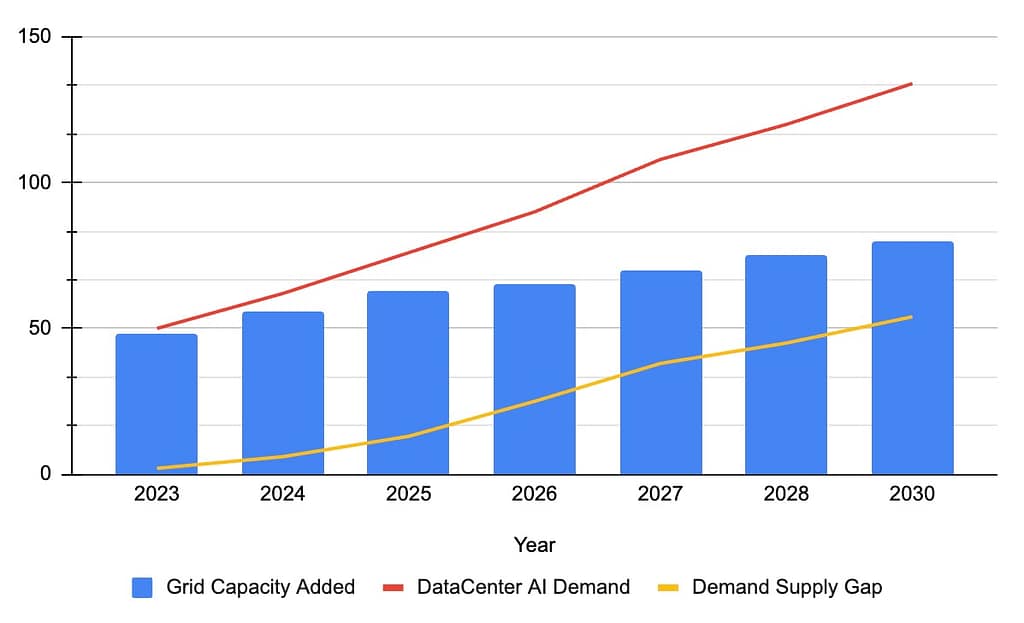
We find ourselves at the intersection of a massive infrastructure paradox: we are attempting to architect an ethereal future of autonomous, agentic intelligence upon a physical foundation that is visibly
In a world where market shifts happen in heartbeats, the traditional corporate “pyramid” is starting to look more like a relic than a command center. To survive, modern firms are
The tech industry is currently obsessed with “the curve”—that smooth, exponentially rising line of capability. Whether it’s Moore’s Law in the 1990s or the parameter count of Large Language Models
The conversation around AI in software development is evolving. We are moving past “chatbots that write snippets” and entering the era of Agentic Capabilities and innovative agentic ai services. Imagine

Profits are alarmingly good, but it drives all the wrong behaviors for a sustainable future.
You’ve done it. You’ve climbed the technical ladder, not just rung by rung, but by building a few new rungs yourself. You’re a Distinguished Engineer, the architect of a massive